Depleted Tennessee farmland is now teeming with wildlife
In May 2010, extraordinarily heavy rainfall hit Tennessee. In some parts of the state, as much as 20 inches fell over two days. Dams were inundated, waterways overflowed and communities experienced historic flooding.
Farmers in West Tennessee aren’t strangers to floods. Their farmland is adjacent to the Mississippi Alluvial Plain, the historic floodplain of the Mississippi River that encompasses nearly 24 million acres from southern Illinois to the Gulf of Mexico and is one of the most flood-prone regions of North America.
Still, 2010 was different. As the Forked Deer River overflowed, it eroded makeshift levees and dumped sandy soil onto the farmland, making it hard to return it to productive land, according to David Blackwood, Executive Director of the West Tennessee River Basin Authority (WTRBA).
But this declining usefulness also made it easier to envision restoring the land to its more natural state. And through a partnership between conservation nonprofit The Nature Conservancy, the Tennessee Wildlife Resources Agency and WTRBA, that’s exactly what happened.
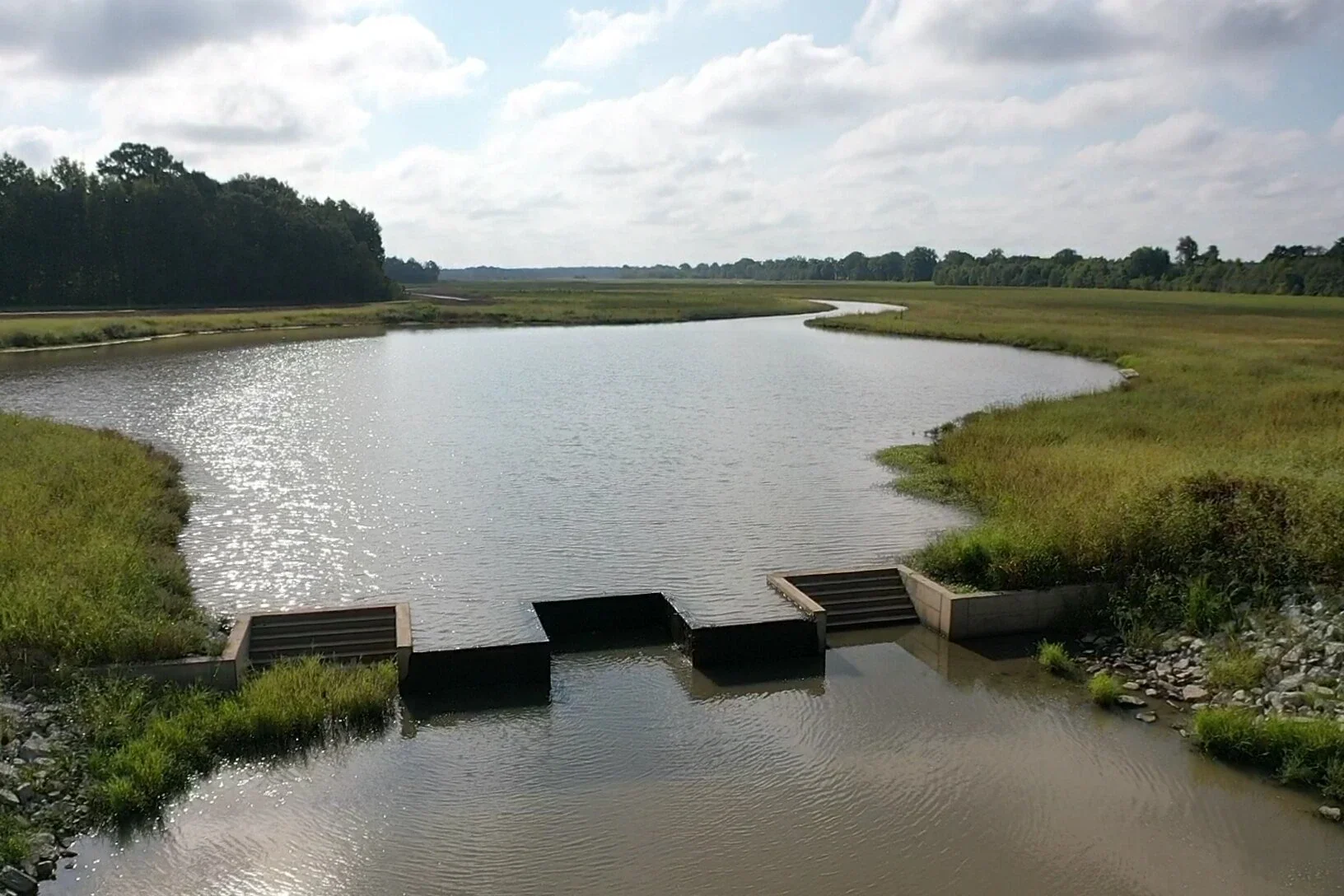
The result is Middle Fork Bottoms State Park, a lush 860 acre parcel teeming with wild turkeys, Great Blue Herons, white-tailed deer and endangered bats, among others. The project is a callback to the region’s original ecology: Marshy wetlands, restored streams and 250,000 newly planted hardwood trees like sycamore, cottonwood and a variety of oaks. Crucially, there’s also recreational space so that visitors can experience the restored surroundings up close.